
A Unified Commerce Platform for Brands Expanding to Direct-to-Consumer

DigitBridge helps businesses unify wholesale, DTC, inventory, fulfillment, product information, supplier, and customer operations on a single commerce platform. By creating a connected operational foundation, DigitBridge enables brands to scale omnichannel growth with greater efficiency, visibility, and control.

Launch DTC with Confidence. Scale Without Creating Operational Complexity.

For decades, manufacturers, wholesalers, and consumer brands built successful businesses through distributors, retailers, dealers, and wholesale partners. Today, many of these businesses are expanding into direct-to-consumer (DTC) commerce to deepen customer relationships, increase margins, strengthen brand loyalty, and unlock new sources of revenue.
The opportunity is substantial. The challenge is execution.

Launching an ecommerce website is relatively easy. Operating a profitable DTC business alongside existing wholesale channels is far more complex. Brands must manage inventory across channels, maintain accurate product data, fulfill orders efficiently, coordinate suppliers, and deliver a consistent customer experience—all without disrupting their core wholesale operations.

A Unified Commerce Platform for Brands Expanding to Direct-to-Consumer

For decades, manufacturers, wholesalers, and consumer brands built successful businesses through distributors, retailers, dealers, and wholesale partners. Today, many of these businesses are expanding into direct-to-consumer (DTC) commerce to deepen customer relationships, increase margins, strengthen brand loyalty, and unlock new sources of revenue. The opportunity is substantial. The challenge is execution. Launching an ecommerce website is relatively easy. Operating a profitable DTC business alongside existing wholesale channels is far more complex. Brands must manage inventory across channels, maintain accurate product data, fulfill orders efficiently, coordinate suppliers, and deliver a consistent customer experience—all without disrupting their core wholesale operations.

DigitBridge helps businesses unify wholesale, DTC, inventory, fulfillment, product information, supplier, and customer operations on a single commerce platform. By creating a connected operational foundation, DigitBridge enables brands to scale omnichannel growth with greater efficiency, visibility, and control.

Why More Brands Are Expanding to DTC


Selling directly to consumers provides advantages that traditional wholesale channels cannot. Benefits include:

DigitBridge | Expanding to DTC 26/07

Direct customer relationships

DigitBridge | Expanding to DTC 26/07

Greater control over brand experience

DigitBridge | Expanding to DTC 26/07

Higher profit margins

DigitBridge | Expanding to DTC 26/07

Faster customer feedback

DigitBridge | Expanding to DTC 26/07

First-party customer data

DigitBridge | Expanding to DTC 26/07

Increased customer loyalty

DigitBridge | Expanding to DTC 26/07

New growth opportunities

As consumer buying behavior continues to evolve, many brands view DTC as a critical component of their long-term growth strategy.

Why More Brands Are Expanding to DTC


Selling directly to consumers provides advantages that traditional wholesale channels cannot. Benefits include:

DigitBridge | Expanding to DTC 26/07

Direct customer relationships

DigitBridge | Expanding to DTC 26/07

Greater control over brand experience

DigitBridge | Expanding to DTC 26/07

Higher profit margins

DigitBridge | Expanding to DTC 26/07

Faster customer feedback

DigitBridge | Expanding to DTC 26/07

First-party customer data

DigitBridge | Expanding to DTC 26/07

Increased customer loyalty

DigitBridge | Expanding to DTC 26/07

New growth opportunities

As consumer buying behavior continues to evolve, many brands view DTC as a critical component of their long-term growth strategy.

The Biggest Challenge Isn’t Launching DTC


The biggest challenge is operating DTC alongside existing wholesale channels. Many businesses quickly encounter questions like:

How do we manage wholesale and DTC inventory?

How do we avoid overselling?

How do we support different pricing models?

How do we fulfill both wholesale and DTC orders?

How do we manage product digital content across channels?

How do we prevent operational silos?

Without the right foundation, adding DTC often creates complexity that impacts the entire business.

Consignment Creates Unique Operational Challenges


Unlike traditional inventory, consigned products introduce additional requirements. Businesses must track:

How do we manage wholesale and DTC inventory?

How do we avoid overselling?

How do we support different pricing models?

How do we fulfill both wholesale and DTC orders?

How do we manage product digital content across channels?

How do we prevent operational silos?

Many businesses manage these processes manually through spreadsheets and disconnected systems. As product assortments grow, complexity increases rapidly. The challenge is not acquiring consignment inventory. The challenge is managing it efficiently and accurately.

A Unified Commerce Platform Makes DTC Expansion Possible


Many businesses enter DTC by adding new systems to existing operations.

Product data lives in spreadsheets. Ecommerce platforms operate separately from inventory systems. Supplier, fulfillment, and customer information become distributed across multiple applications and workflows. Over time, complexity increases, visibility decreases, and growth becomes harder to manage. DigitBridge is a Unified Commerce Platform eliminates these silos by connecting:
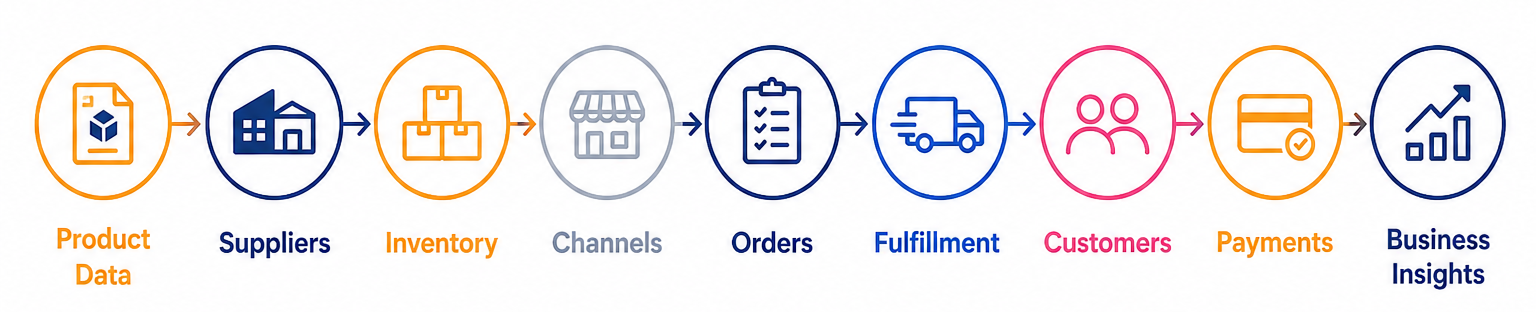
DigitBridge | Expanding to DTC 26/07

Every function operates from the same source of truth, enabling businesses to scale DTC and wholesale operations together with greater efficiency, accuracy, and control.

The Unified Commerce Platform Connects Inventory, Sales, and Settlements


Many businesses enter DTC by adding new systems to existing operations.

Product data lives in spreadsheets. Ecommerce platforms operate separately from inventory systems. Supplier, fulfillment, and customer information become distributed across multiple applications and workflows. Over time, complexity increases, visibility decreases, and growth becomes harder to manage. DigitBridge is a Unified Commerce Platform eliminates these silos by connecting:

DigitBridge | Expanding to DTC 26/07

Every function operates from the same source of truth, enabling businesses to scale DTC and wholesale operations together with greater efficiency, accuracy, and control.

Built for Wholesale-to-DTC Growth


DigitBridge | Expanding to DTC 26/07

Unified Inventory Management

DigitBridge maintain a single, real-time view of inventory across both wholesale and direct-to-consumer (DTC) operations. Gain complete visibility into:

  • Warehouse inventory levels
  • Open purchase orders (POs)
  • Real-time Available-to-Sell (ATS) inventory
  • Inventory allocations by sales channel
  • Wholesale inventory availability
  • DTC inventory availability

With a unified inventory foundation, businesses can accurately manage stock across every channel, maximize sales, reduce overselling, improve fulfillment performance, and confidently support growth in both wholesale and DTC markets.

DigitBridge | Expanding to DTC 26/07

Product Information & Digital Commerce Management (PIM+)

Manage product information and digital commerce operations from a single source of truth. Maintain and centralize:

  • Product copywritings and descriptions
  • Product images
  • Digital assets and media
  • Product attributes and specifications
  • Marketing content
  • Channel-specific product catalogs
  • Digital sales promotions
  • Digital line sheets

Create product information once and distribute it automatically according to the unique requirements of each sales channel, including wholesale, DTC, marketplaces, dropship, and retail partners. By centralizing product content and digital commerce operations, businesses can launch products faster, maintain data consistency across channels, streamline content management, and accelerate growth. The same digital foundation that enables rapid DTC expansion also supports the transformation of traditional wholesale operations into a scalable digital wholesale business.

DigitBridge | Expanding to DTC 26/07

Omnichannel Order Management

DigitBridge unifies the entire order lifecycle by connecting:
Orders → Inventory → Fulfillment → Suppliers → Customers → Payments
Manage all order types from a single platform:

  • Wholesale orders
  • DTC ecommerce orders
  • Marketplace orders
  • Retail orders
  • Dropship orders
  • EDI transactions

With a shared workflow and real-time visibility, teams can allocate inventory accurately, automate fulfillment processes, improve customer service, and maintain operational control across every sales channel.
The result is a scalable order management foundation that supports both wholesale excellence and DTC growth.

DigitBridge | Expanding to DTC 26/07

Omnichannel Fulfillment

DigitBridge provides a unified fulfillment foundation that connects:
Orders → Inventory → Warehouses → Fulfillment Partners → Customers
Support multiple fulfillment models, including:

  • Direct-to-consumer shipping
  • Wholesale distribution
  • Marketplace fulfillment
  • Dropship programs
  • 3PL-managed operations

With centralized visibility and standardized workflows, businesses can fulfill orders faster, reduce operational costs, improve delivery performance, and provide a consistent customer experience across every channel.

DigitBridge | Expanding to DTC 26/07

Customer Visibility & Business Insights

DigitBridge provides a unified view of customers, sales, and channel performance, enabling businesses to gain deeper insights into:

  • Consumer purchasing behavior
  • Wholesale customer buying patterns
  • Product performance across channels
  • Customer and account lifetime value
  • Channel profitability and performance
  • Demand and inventory trends
  • Customer engagement and retention
  • Sales growth opportunities

By connecting wholesale and DTC operations on a single platform, businesses can analyze performance across every customer, product, and sales channel from one source of truth.

Built for Wholesale-to-DTC Growth


DigitBridge | Expanding to DTC 26/07

Unified Inventory Management

DigitBridge maintain a single, real-time view of inventory across both wholesale and direct-to-consumer (DTC) operations. Gain complete visibility into:

  • Warehouse inventory levels
  • Open purchase orders (POs)
  • Real-time Available-to-Sell (ATS) inventory
  • Inventory allocations by sales channel
  • Wholesale inventory availability
  • DTC inventory availability

With a unified inventory foundation, businesses can accurately manage stock across every channel, maximize sales, reduce overselling, improve fulfillment performance, and confidently support growth in both wholesale and DTC markets.

DigitBridge | Expanding to DTC 26/07

Product & Supplier Visibility for Retailer

Manage product information and digital commerce operations from a single source of truth. Maintain and centralize:

  • Product copywritings and descriptions
  • Product images
  • Digital assets and media
  • Product attributes and specifications
  • Marketing content
  • Channel-specific product catalogs
  • Digital sales promotions
  • Digital line sheets

Create product information once and distribute it automatically according to the unique requirements of each sales channel, including wholesale, DTC, marketplaces, dropship, and retail partners. By centralizing product content and digital commerce operations, businesses can launch products faster, maintain data consistency across channels, streamline content management, and accelerate growth. The same digital foundation that enables rapid DTC expansion also supports the transformation of traditional wholesale operations into a scalable digital wholesale business.

DigitBridge | Expanding to DTC 26/07

Omnichannel Order Management

DigitBridge unifies the entire order lifecycle by connecting:
Orders → Inventory → Fulfillment → Suppliers → Customers → Payments
Manage all order types from a single platform:

  • Wholesale orders
  • DTC ecommerce orders
  • Marketplace orders
  • Retail orders
  • Dropship orders
  • EDI transactions

With a shared workflow and real-time visibility, teams can allocate inventory accurately, automate fulfillment processes, improve customer service, and maintain operational control across every sales channel.
The result is a scalable order management foundation that supports both wholesale excellence and DTC growth.

DigitBridge | Expanding to DTC 26/07

Multi-Channel Sales Tracking

DigitBridge provides a unified fulfillment foundation that connects:
Orders → Inventory → Warehouses → Fulfillment Partners → Customers
Support multiple fulfillment models, including:

  • Direct-to-consumer shipping
  • Wholesale distribution
  • Marketplace fulfillment
  • Dropship programs
  • 3PL-managed operations

With centralized visibility and standardized workflows, businesses can fulfill orders faster, reduce operational costs, improve delivery performance, and provide a consistent customer experience across every channel.

DigitBridge | Expanding to DTC 26/07

Customer Visibility & Business Insights

DigitBridge provides a unified view of customers, sales, and channel performance, enabling businesses to gain deeper insights into:

  • Consumer purchasing behavior
  • Wholesale customer buying patterns
  • Product performance across channels
  • Customer and account lifetime value
  • Channel profitability and performance
  • Demand and inventory trends
  • Customer engagement and retention
  • Sales growth opportunities

By connecting wholesale and DTC operations on a single platform, businesses can analyze performance across every customer, product, and sales channel from one source of truth.

Why Brands Expand to DTC with DigitBridge

Launch Faster

Create the operational foundation needed to support DTC growth.

Maintain Inventory Accuracy

Prevent inventory discrepancies across wholesale and consumer channels.

Protect Existing Operations

Expand into DTC without disrupting wholesale workflows.

Strengthen Customer Relationships

Build direct relationships with consumers while maintaining wholesale partnerships.

Create a Unified Commerce Growth Strategy

Support wholesale, DTC, marketplaces, dropship programs, and future channels through a single operating model.

DigitBridge | Expanding to DTC 26/07

Why Brands Expand to DTC with DigitBridge

Launch Faster

Create the operational foundation needed to support DTC growth.

Maintain Inventory Accuracy

Prevent inventory discrepancies across wholesale and consumer channels.

Protect Existing Operations

Expand into DTC without disrupting wholesale workflows.

Strengthen Customer Relationships

Build direct relationships with consumers while maintaining wholesale partnerships.

Create a Unified Commerce Growth Strategy

Support wholesale, DTC, marketplaces, dropship programs, and future channels through a single operating model.

DigitBridge | Expanding to DTC 26/07

DTC Is Not a Channel. It’s a Business Transformation.


Many brands view DTC as another sales channel.

In reality, DTC changes how businesses engage with customers, manage operations, and drive growth.

The most successful brands do not treat DTC as a separate business.
They connect wholesale, DTC, fulfillment, inventory, and customer experiences through a unified commerce strategy.
DigitBridge helps businesses make that transition successfully.

DTC Is Not a Channel. It’s a Business Transformation.


Many brands view DTC as another sales channel.
In reality, DTC changes how businesses engage with customers, manage operations, and drive growth.
The most successful brands do not treat DTC as a separate business.
They connect wholesale, DTC, fulfillment, inventory, and customer experiences through a unified commerce strategy.
DigitBridge helps businesses make that transition successfully.

Frequently asked questions


What does DTC mean?

DTC, or Direct-to-Consumer, refers to a business model where brands sell directly to consumers rather than relying exclusively on distributors, retailers, or wholesale partners.

Why are manufacturers expanding to DTC?

Many manufacturers and brands are expanding to DTC to increase margins, build stronger customer relationships, gain access to customer data, strengthen brand loyalty, and create new revenue opportunities.

Can manufacturers sell both wholesale and DTC?

Yes. Many manufacturers and brands successfully operate both wholesale and direct-to-consumer (DTC) channels.
The challenge is not selling through both channels—it’s managing inventory, product data, pricing, orders, and fulfillment consistently across them.
With a unified commerce platform, businesses can efficiently support both wholesale and DTC growth from a single source of truth.

What are the biggest challenges of launching DTC?

For wholesalers and brand manufacturers, the biggest DTC challenges are managing product content, supporting DTC fulfillment, maintaining omnichannel inventory visibility, and integrating sales channels and business systems.
Without a unified commerce platform, operational complexity can quickly increase as the business grows.

How does Unified Commerce Platform support DTC growth?

A Unified Commerce Platform brings products, inventory, orders, fulfillment, customers, suppliers, and channels together in one operation system.
This enables businesses to expand into DTC while maintaining operational control, improving efficiency, and reducing complexity across both wholesale and direct-to-consumer operations.

Do I need separate inventory for wholesale and DTC?

Not necessarily. Many businesses support both wholesale and DTC channels with a shared inventory strategy.
A unified inventory platform provides visibility into inventory availability, channel allocations, and demand, enabling businesses to serve multiple channels efficiently while maintaining operational control.

How can brands avoid channel conflict when expanding to DTC?

Successful brands establish clear pricing strategies, differentiated product offerings, strong partner relationships, and a unified operating model that supports both wholesale and direct sales channels.

Can DigitBridge support wholesale and DTC operations from one platform?

Yes. DigitBridge unifies product, inventory, supplier, order, fulfillment, customer, and channel operations in a single commerce operation platform.
This enables businesses to efficiently manage wholesale, DTC, marketplace, and retail channels from one source of truth while maintaining visibility, control, and operational efficiency.

Frequently asked questions


What does DTC mean?

DTC, or Direct-to-Consumer, refers to a business model where brands sell directly to consumers rather than relying exclusively on distributors, retailers, or wholesale partners.

Why are manufacturers expanding to DTC?

Many manufacturers and brands are expanding to DTC to increase margins, build stronger customer relationships, gain access to customer data, strengthen brand loyalty, and create new revenue opportunities.

Can manufacturers sell both wholesale and DTC?

Yes. Many manufacturers and brands successfully operate both wholesale and direct-to-consumer (DTC) channels.
The challenge is not selling through both channels—it’s managing inventory, product data, pricing, orders, and fulfillment consistently across them.
With a unified commerce platform, businesses can efficiently support both wholesale and DTC growth from a single source of truth.

What are the biggest challenges of launching DTC?

For wholesalers and brand manufacturers, the biggest DTC challenges are managing product content, supporting DTC fulfillment, maintaining omnichannel inventory visibility, and integrating sales channels and business systems.
Without a unified commerce platform, operational complexity can quickly increase as the business grows.

How does Unified Commerce Platform support DTC growth?

A Unified Commerce Platform brings products, inventory, orders, fulfillment, customers, suppliers, and channels together in one operation system.
This enables businesses to expand into DTC while maintaining operational control, improving efficiency, and reducing complexity across both wholesale and direct-to-consumer operations.

Do I need separate inventory for wholesale and DTC?

Not necessarily. Many businesses support both wholesale and DTC channels with a shared inventory strategy.
A unified inventory platform provides visibility into inventory availability, channel allocations, and demand, enabling businesses to serve multiple channels efficiently while maintaining operational control.

How can brands avoid channel conflict when expanding to DTC?

Successful brands establish clear pricing strategies, differentiated product offerings, strong partner relationships, and a unified operating model that supports both wholesale and direct sales channels.

Can DigitBridge support wholesale and DTC operations from one platform?

Yes. DigitBridge unifies product, inventory, supplier, order, fulfillment, customer, and channel operations in a single commerce operation platform.
This enables businesses to efficiently manage wholesale, DTC, marketplace, and retail channels from one source of truth while maintaining visibility, control, and operational efficiency.

Unified Commerce for Modern 3PL Providers

DigitBridge helps 3PL providers unify inventory, fulfillment, client operations, shipping carrier integration, and commerce connectivity into a single operation platform—creating the digital foundation for scalable logistics operations and long-term client success.

Book a Demo

Connect Warehousing, Fulfillment, Inventory, and Client Operations in One Platform

Today’s 3PL providers are expected to do far more than move inventory. Clients expect real-time inventory visibility, ecommerce connectivity, marketplace integrations, fulfillment transparency, reporting, and seamless operational coordination across every sales channel.